
These Fashion Mistakes Can Add 10 Pounds to Your Look
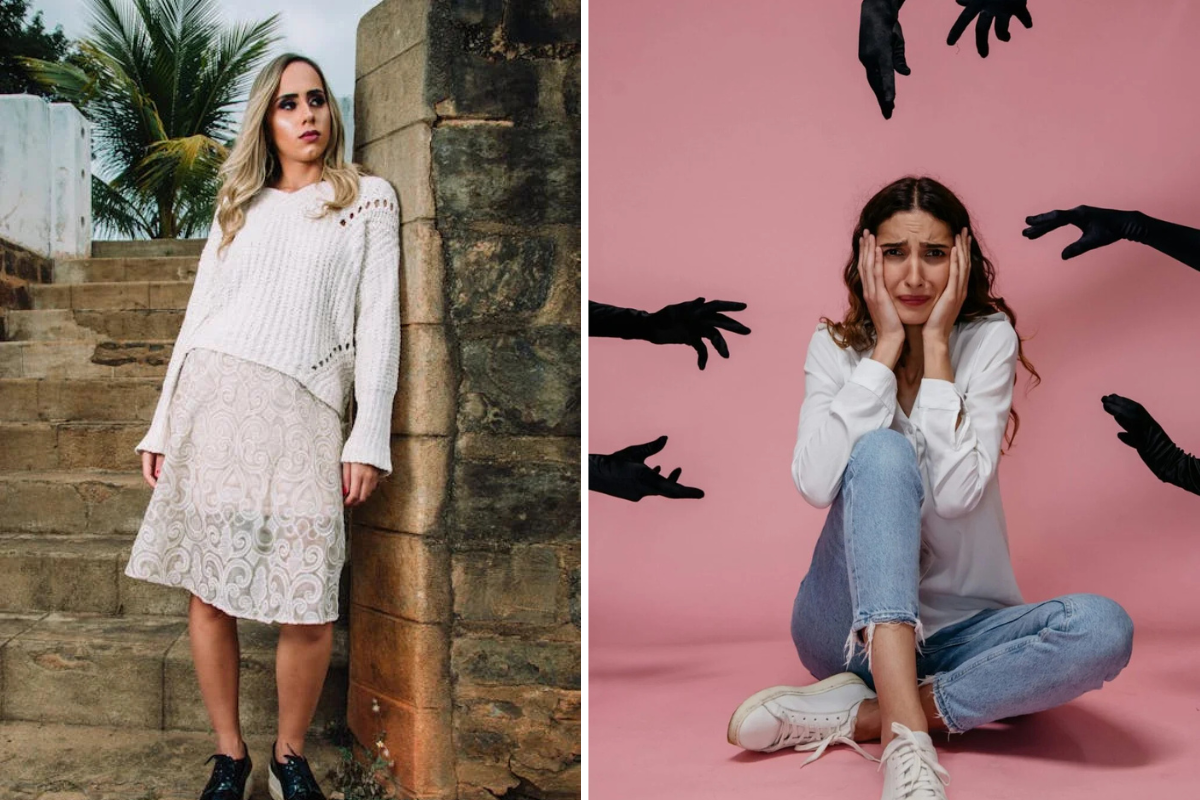
Small styling choices can change how your outfit looks more than you think. Sometimes it’s not about trends or body type—it’s about how your clothes fit, layer, and work together.
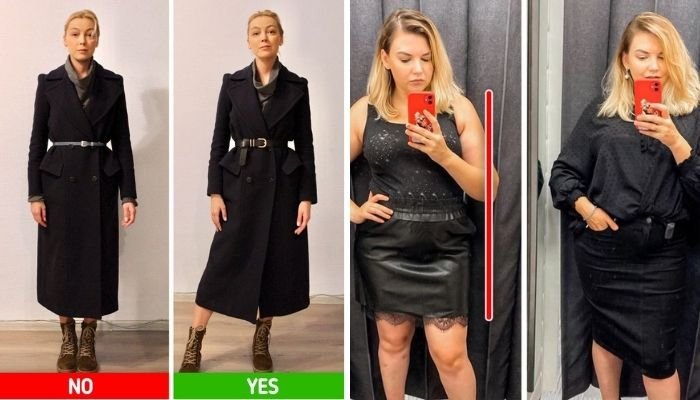
Even a good outfit can look heavy or unbalanced if a few details are off. The good news is that these mistakes are easy to fix.
With a few simple changes, you can create a more balanced and polished look without buying anything new.
Why the Right Outfit Makes a Difference
What you wear doesn’t just change how others see you—it also changes how you feel.
Clothes that fit well and suit your shape can boost your confidence instantly. When you feel comfortable, your posture improves, and you naturally carry yourself better.
Looking slimmer is often less about hiding your body and more about choosing clothes that feel right for you.
How Clothes Affect Your Confidence
You may have noticed that some outfits just feel better than others.
When your clothes fit properly, everything feels easier. You move better, stand straighter, and feel more relaxed.
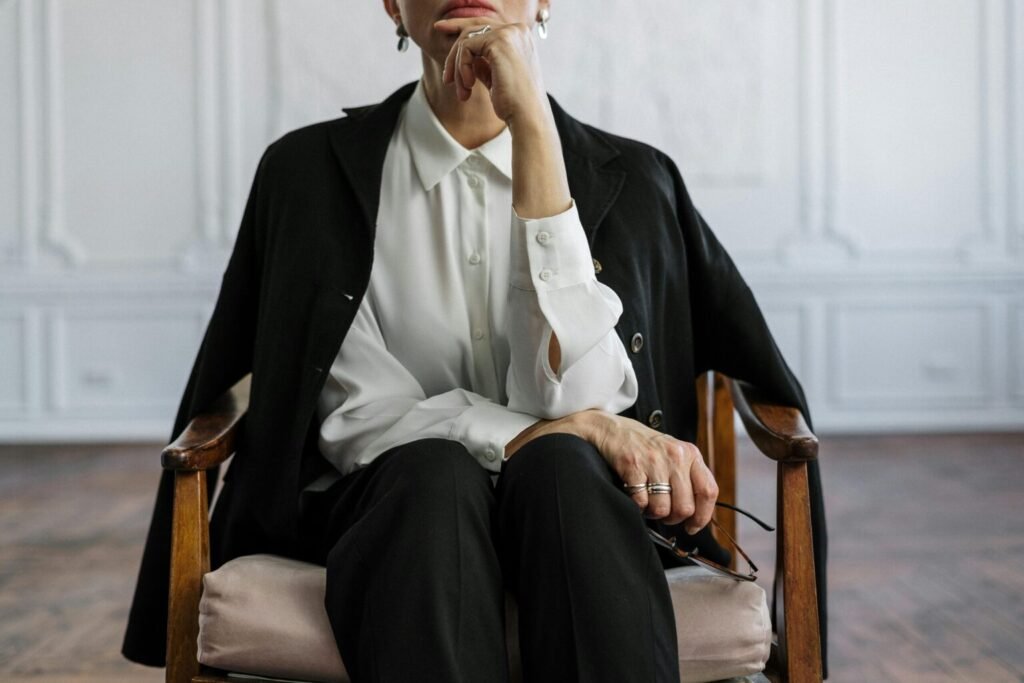
That confidence shows in your overall look. A simple, well-fitted outfit can make a bigger impact than something trendy but uncomfortable.
Confidence Is the Key to Looking Better
Confidence plays a big role in how your outfit looks.
When you feel good in what you’re wearing, it shows in your body language. You look more balanced, natural, and comfortable.
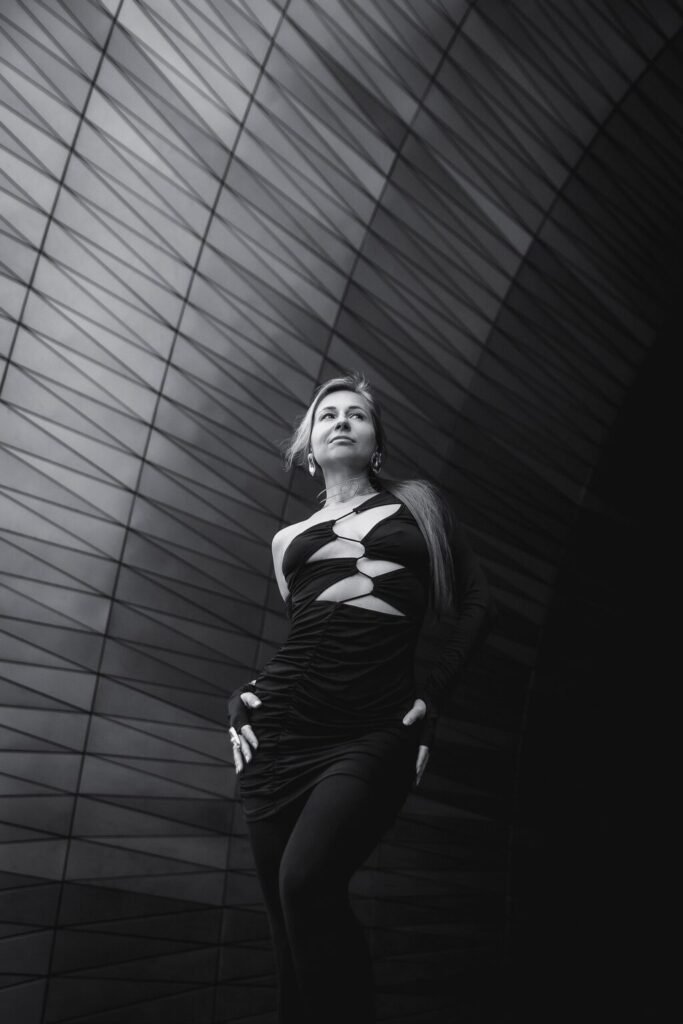
Often, that confidence is what makes an outfit look flattering—not just the clothes themselves.
1. Choosing the Wrong Type of Shirt
The style of your shirt can change your whole outfit.
Loose or shapeless tops can make your body look wider. Structured shirts, especially button-down styles, create clean lines and help define your shape.
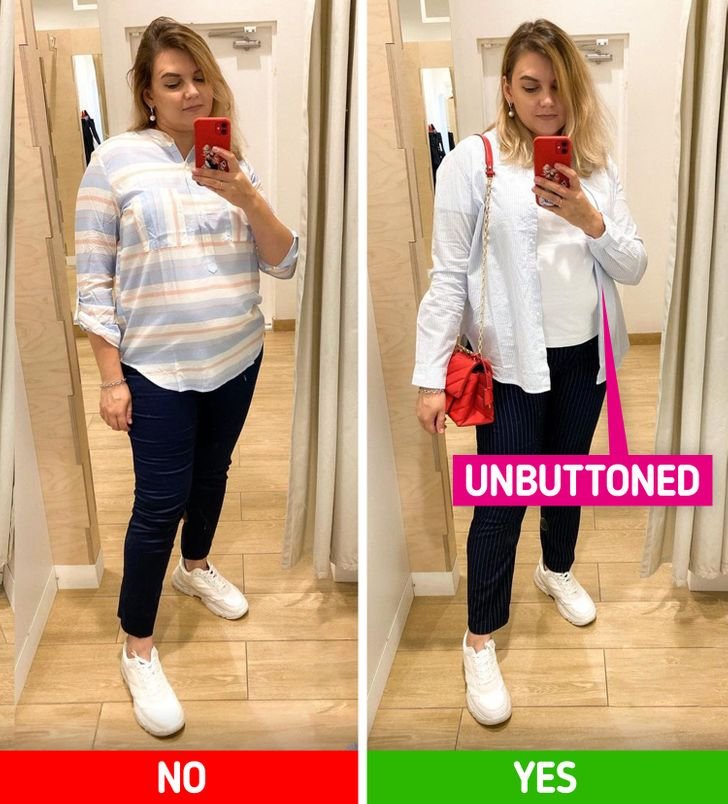
They instantly make your outfit look more neat and balanced.
2. Wearing Loose Sweaters Without Shape
Loose sweaters are comfortable, but they can hide your shape completely.
When there’s no definition, your outfit can look boxy. Adding a belt or slightly tucking the sweater can create a better shape.
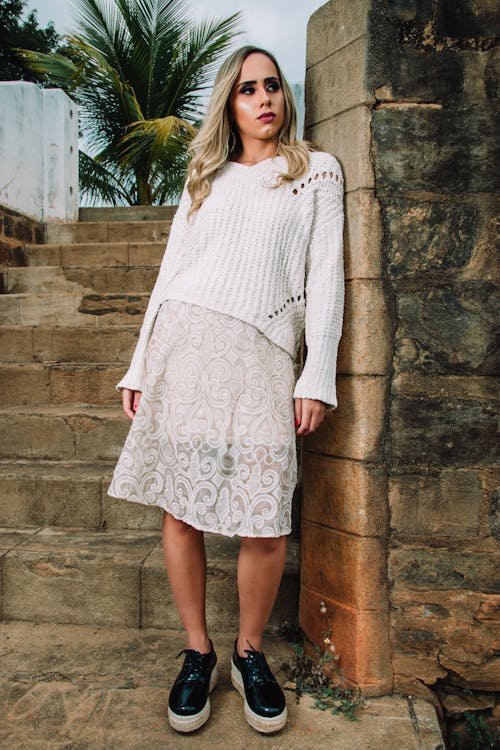
This small change makes your outfit look more styled and balanced.
3. Pulling Your Top Too Low
Pulling your top down to cover your stomach might seem helpful, but it often does the opposite.
It can shorten your legs and make your body look wider. A simple front tuck or half tuck can fix this.
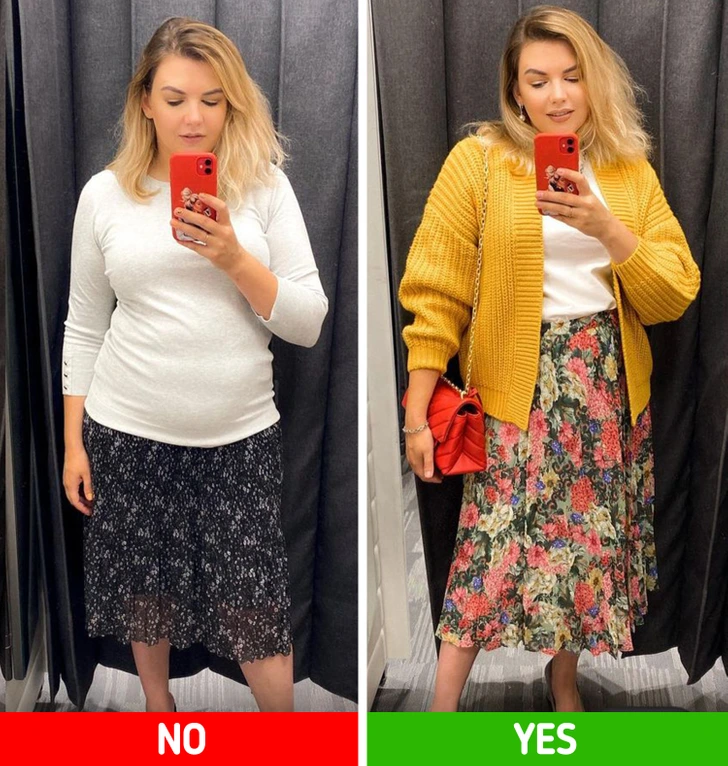
Layering with a jacket or cardigan also helps create a longer, cleaner line.
4. Hiding Your Shape Completely
Wearing oversized clothes all the time can make your outfit feel heavy.
Instead, show small areas like your wrists, neckline, or waist. This adds balance and makes your outfit feel lighter.
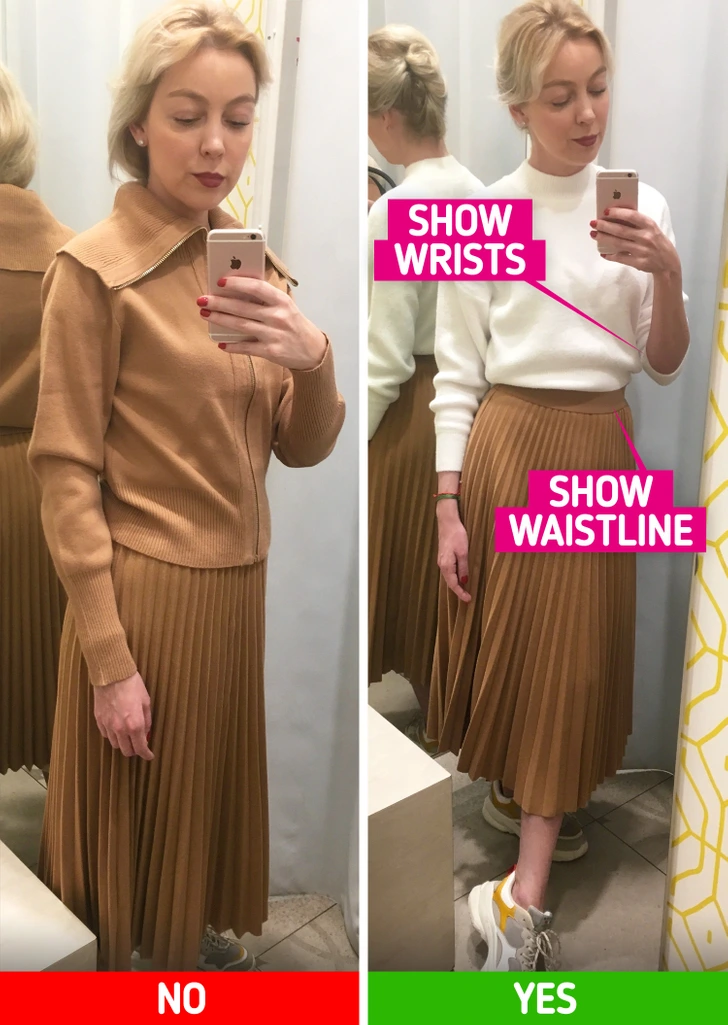
You don’t need to reveal much—just a little detail makes a big difference.
5. Wearing Very Tight Knit Pieces
Tight-knit tops or sweaters can cling to areas you may not want to highlight.
Instead, choose slightly relaxed styles that fall smoothly over your body.
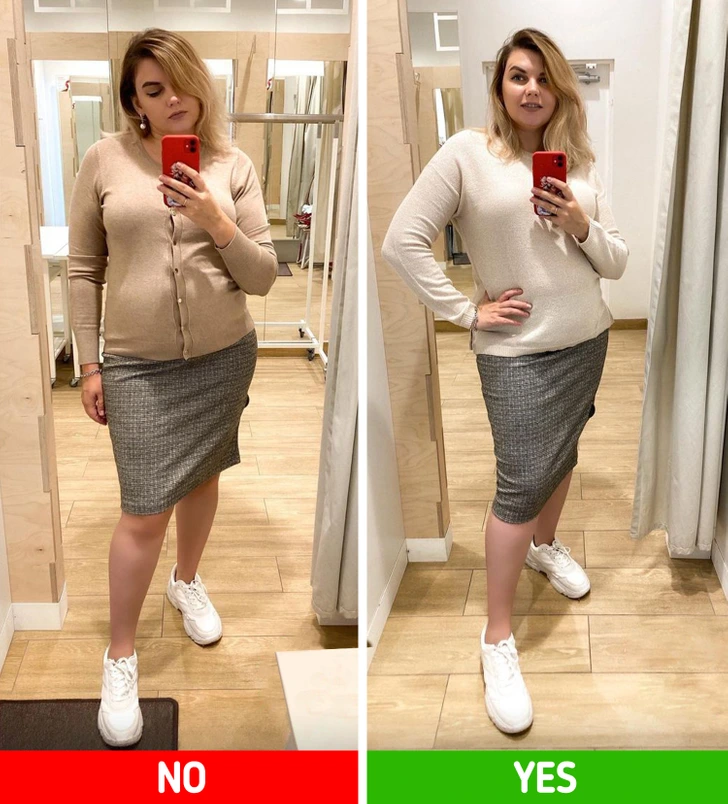
Longer layers, like open cardigans, help create a vertical line that looks more flattering.
6. Avoiding Monochrome Outfits
Wearing one color from head to toe can actually make you look more streamlined.
It creates a continuous line that makes your body appear longer.
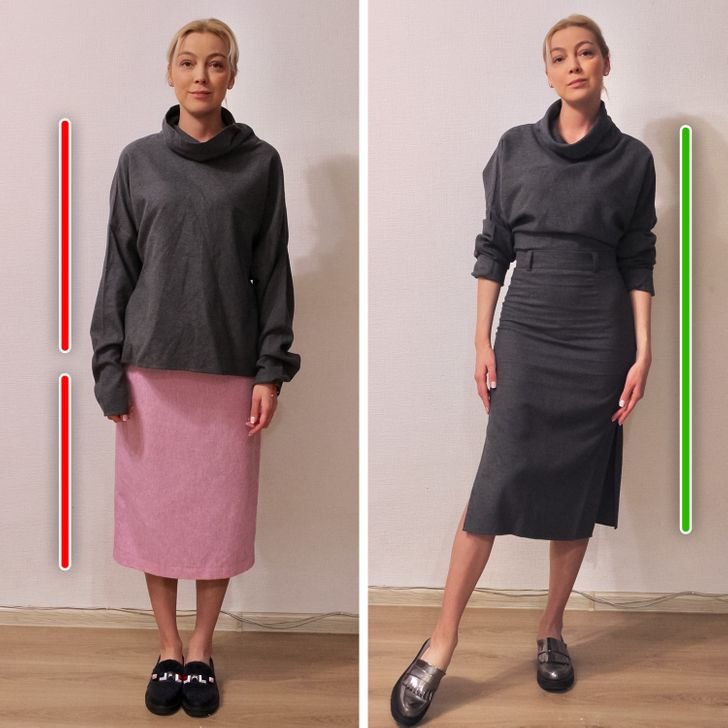
To keep it interesting, mix textures like denim, knits, or soft fabrics within the same color.
7. Wearing Shorts That Are Too Short
Very short or tight shorts can sometimes draw attention in the wrong way.
A slightly longer, relaxed fit creates a better shape and feels more comfortable.
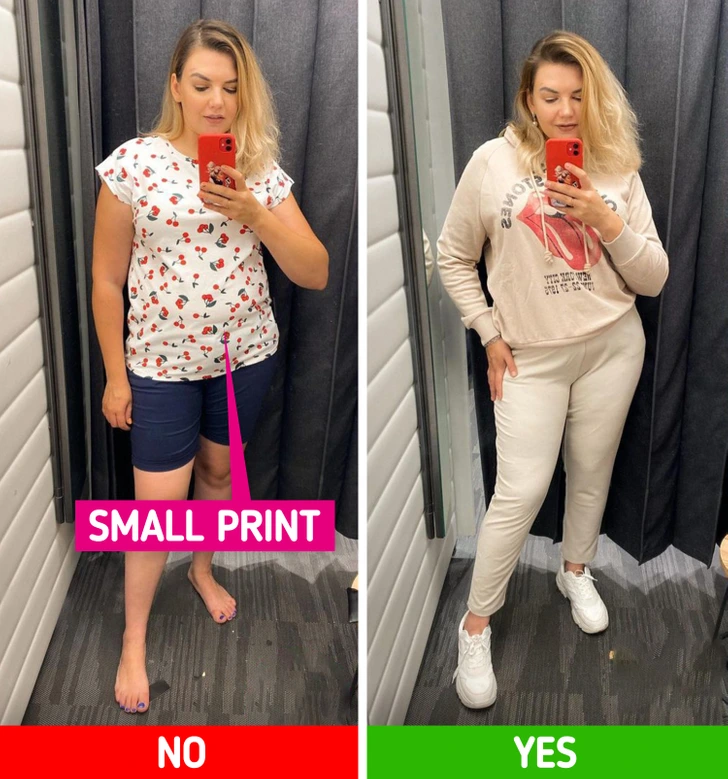
Simple styles with clean lines work best for a balanced look.
8. Choosing the Wrong Belt
Belts can change how your outfit looks.
Very thin or bright belts can break the flow of your outfit and draw too much attention to the waist.
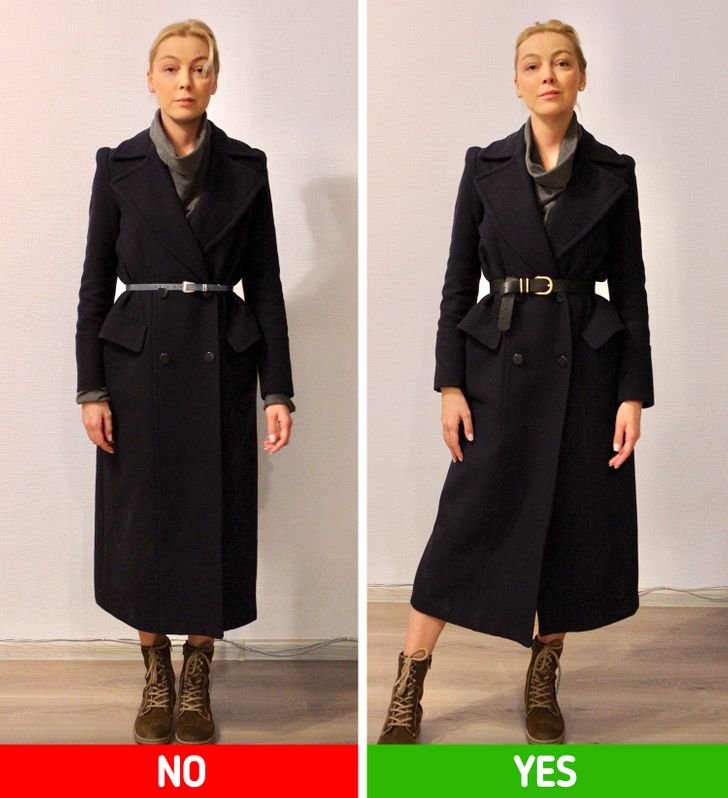
A belt that matches your outfit and has the right width creates a smoother and more polished look.
9. Always Wearing Very Tight or Very Short Clothes
Wearing only tight or short clothing doesn’t always create a flattering shape.
Balanced styles, like tailored skirts or well-fitted pieces, often look better.
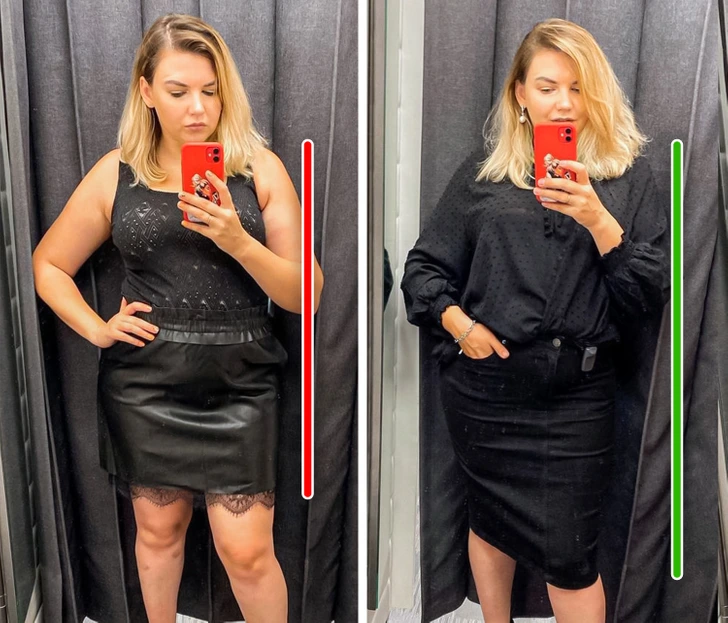
Lengths around the knee usually create a cleaner and more polished silhouette.
10. Mismatching Lengths When Layering
Layering is important, but the wrong lengths can make your outfit look unbalanced.
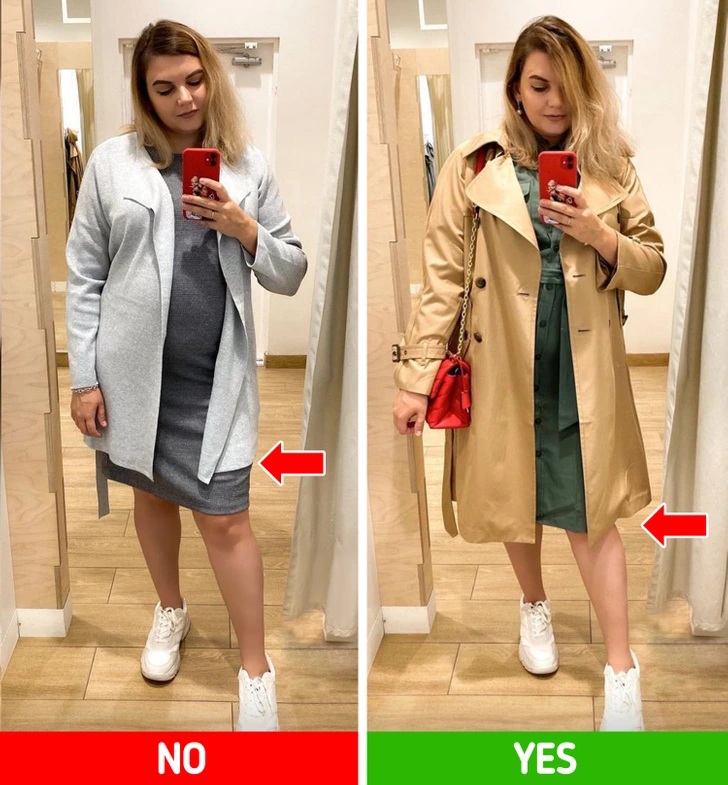
For example, a short jacket with a longer skirt can break the flow of your look.
Choosing similar lengths or layering thoughtfully creates a smoother appearance.
11. Picking the Wrong Skirt Length
The length of your skirt matters more than you think.
Very long skirts can hide your shape, while the right length can highlight your legs.
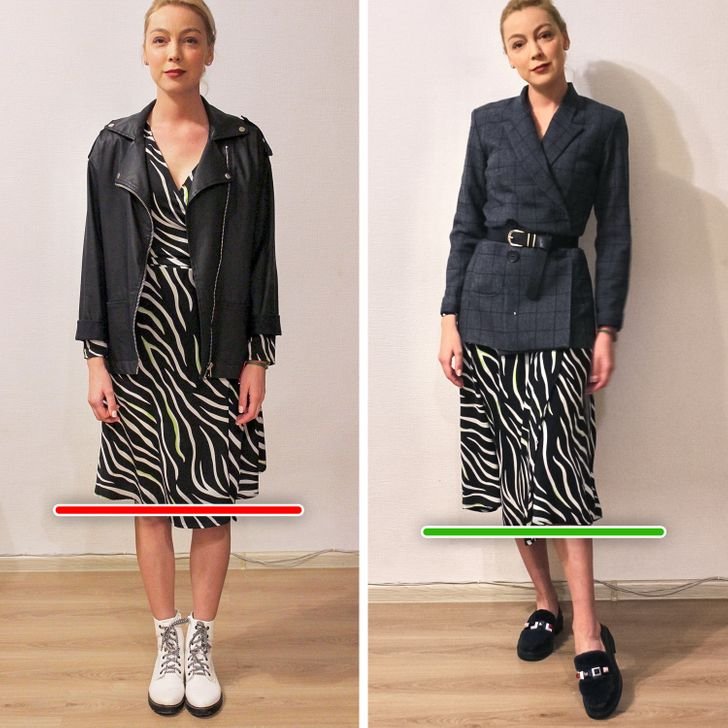
Styles just above or below the knee often work best for a balanced look.
12. Ignoring Vertical Lines
Vertical lines help create a longer and slimmer appearance.
Open jackets, long cardigans, or soft layers can help guide the eye up and down instead of side to side.
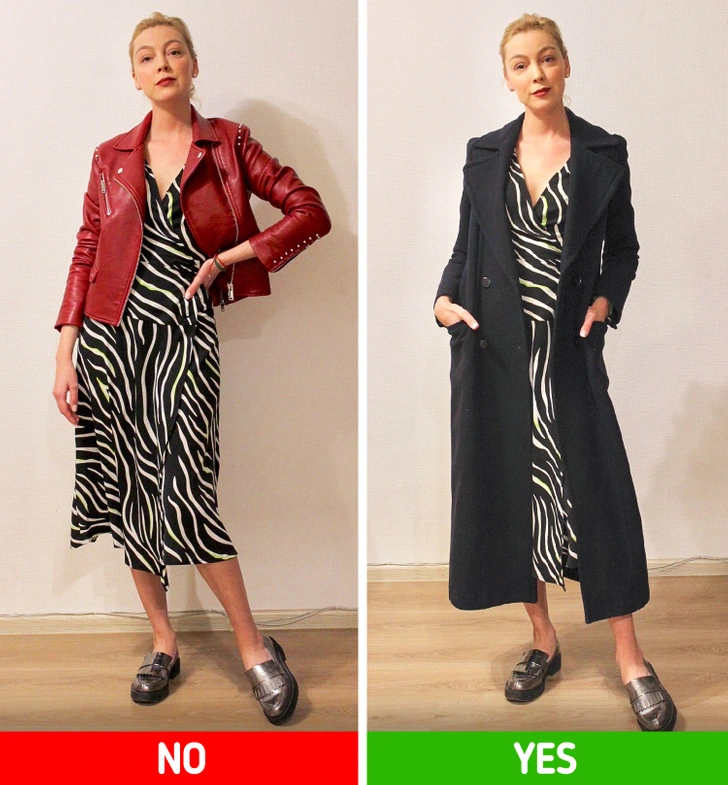
Avoid strong horizontal cuts that can make your outfit look wider.
13. Wearing Dresses That Are Too Tight
Tight dresses can highlight areas you may want to soften.
Looser styles that follow your shape naturally are usually more flattering.
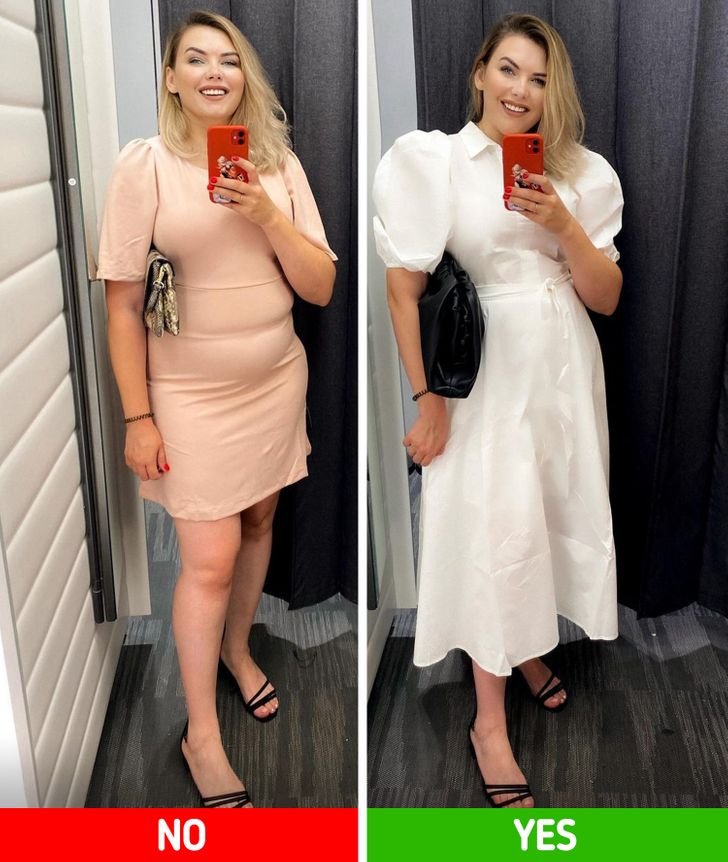
Adding gentle waist definition helps create balance without feeling uncomfortable.
14. Wearing Too Many Oversized Pieces Together
One oversized item can look stylish—but too many can make your outfit feel heavy.
Mix fitted and loose pieces to keep your look balanced.
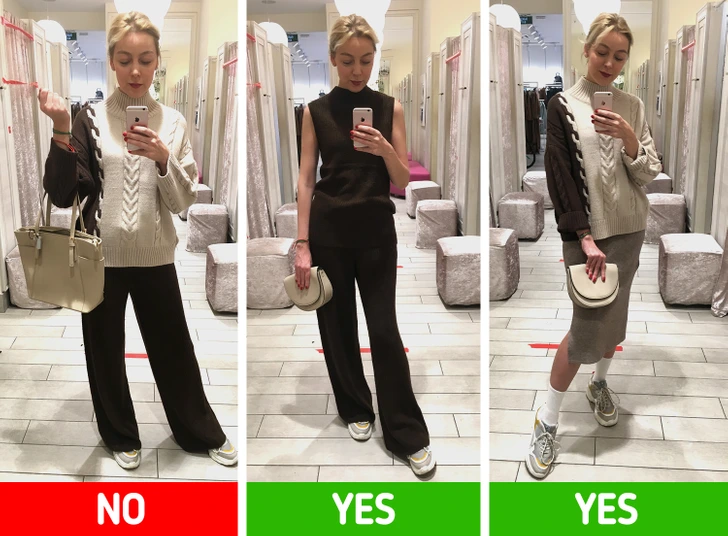
Small details like showing your wrists or choosing the right bag size can also help.
15. Only Wearing Skinny Jeans
Very tight jeans don’t always create the best shape.
Relaxed fits like straight-leg or bootcut styles can feel more comfortable and look more balanced.
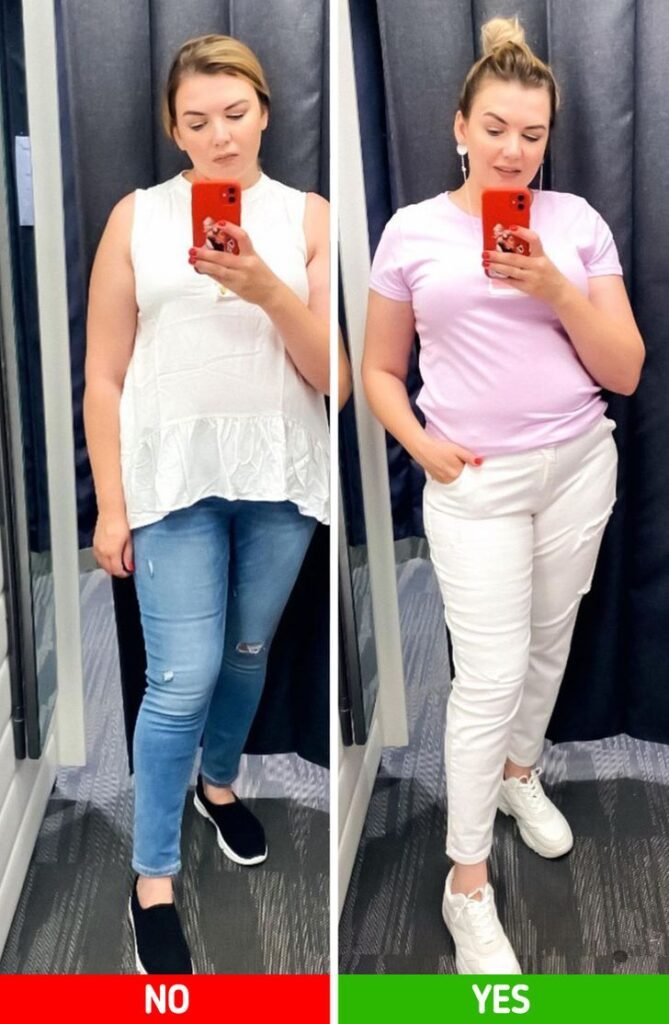

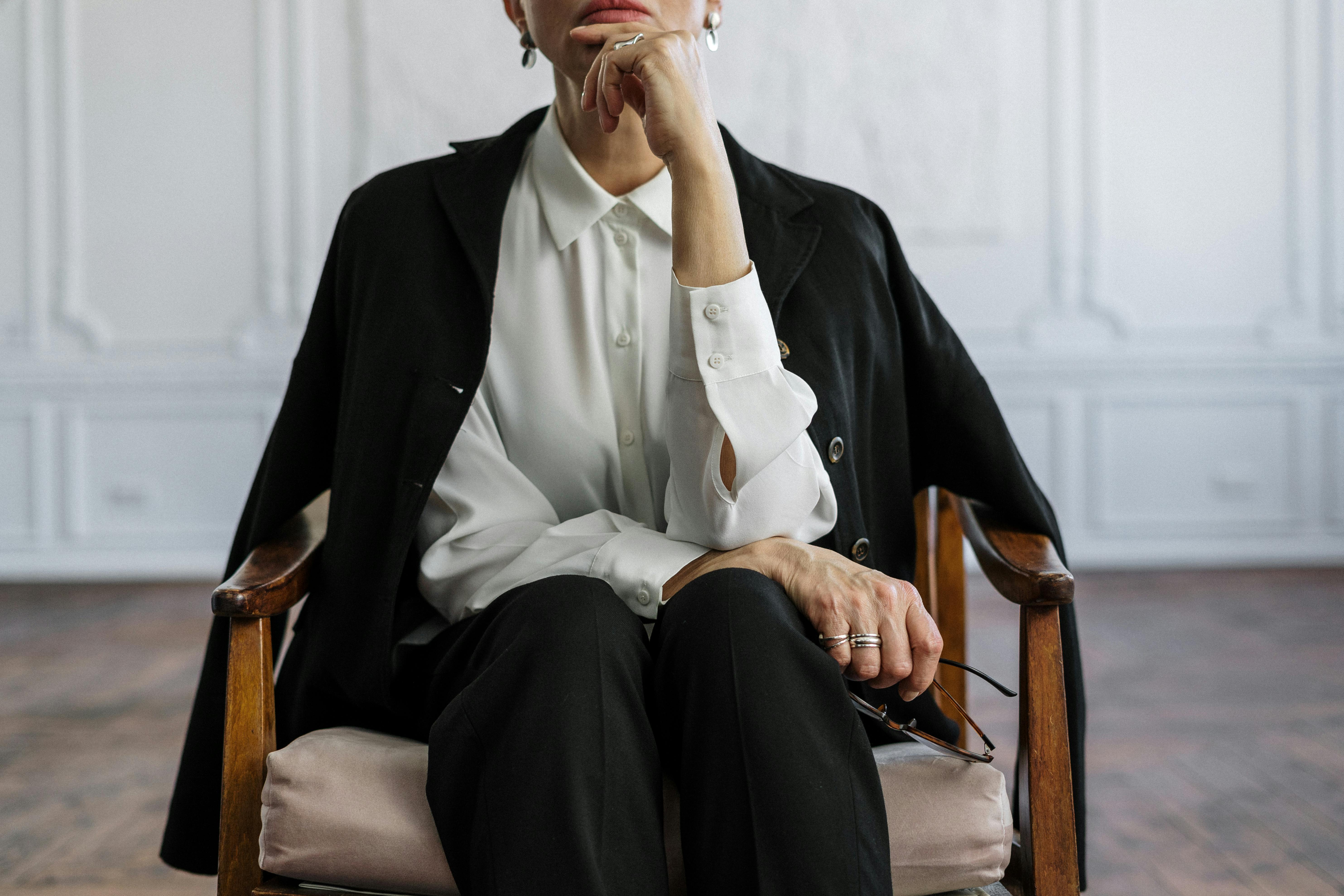

They help create a smoother overall silhouette.
Final Thoughts
Looking more balanced in your outfits doesn’t require big changes.
Small details—like fit, length, and layering—can make a big difference.
Focus on what feels comfortable and works for your body. When you feel confident in your clothes, it naturally shows in how you look.