
Why Your “Low-Maintenance” Yard Is Actually Costing a Fortune
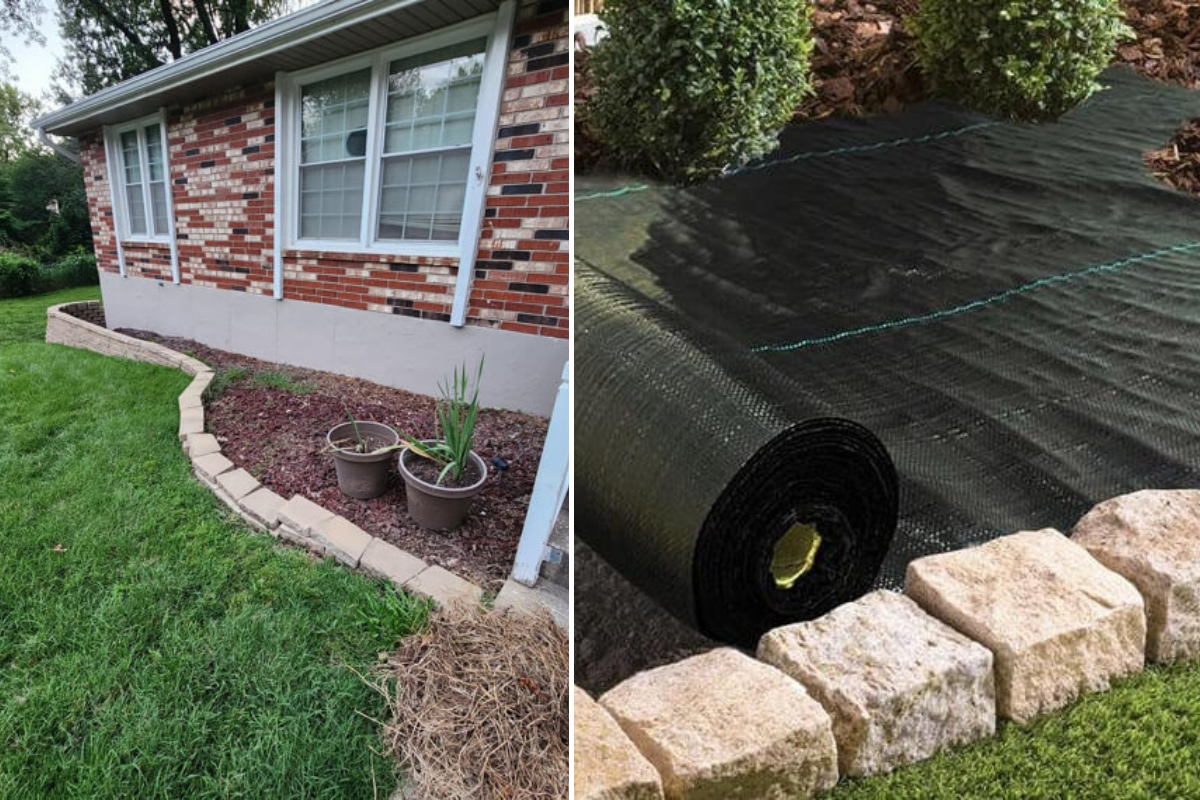
A “low-maintenance” yard sounds like the ultimate win—less work, less time, and supposedly, less money. But what if that easy-care outdoor space is quietly draining your wallet instead? From hidden upkeep costs to pricey design shortcuts that don’t age well, many homeowners are discovering that “low-maintenance” doesn’t always mean low-cost. In fact, some of the most popular landscaping choices can lead to ongoing expenses that add up fast—often without you even realizing it.
Constant Mulch Replacement
Wood mulch can make your yard look clean and fresh at first. But over time, it starts to fade and break down. To keep your yard looking nice, you may need to replace it every year.
If you have a big yard, buying new mulch again and again can get expensive. It also takes time and effort to spread it properly.
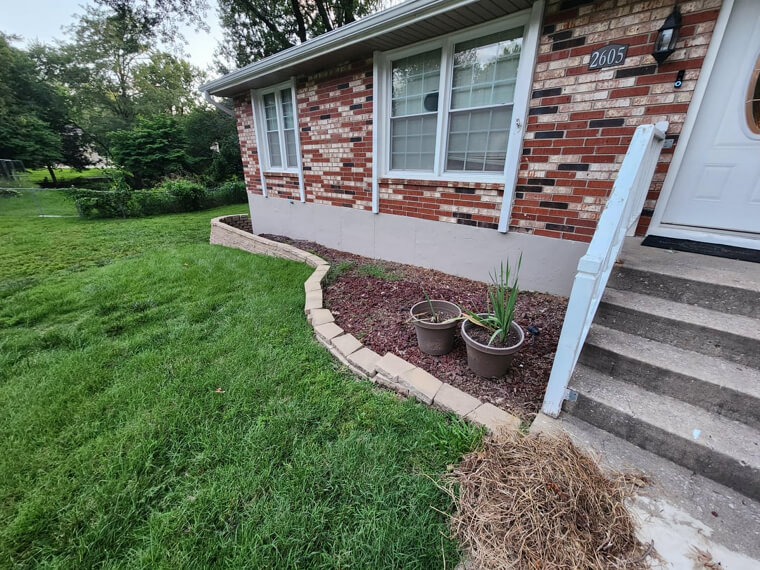
Another thing to keep in mind is where you place the mulch. When it is too close to your home, it can attract insects like ants or termites. This may lead to extra repair costs later.
So while mulch seems like an easy and budget-friendly option, it can turn into a regular cost that adds up over time.
The High Cost of Artificial Turf Maintenance
Artificial grass is often seen as a simple, one-time fix. But in reality, it still needs regular care and can cost more over time.
Since it is made of plastic, it doesn’t break down dirt or pet waste like real grass. This means you have to clean it often using special cleaning products.
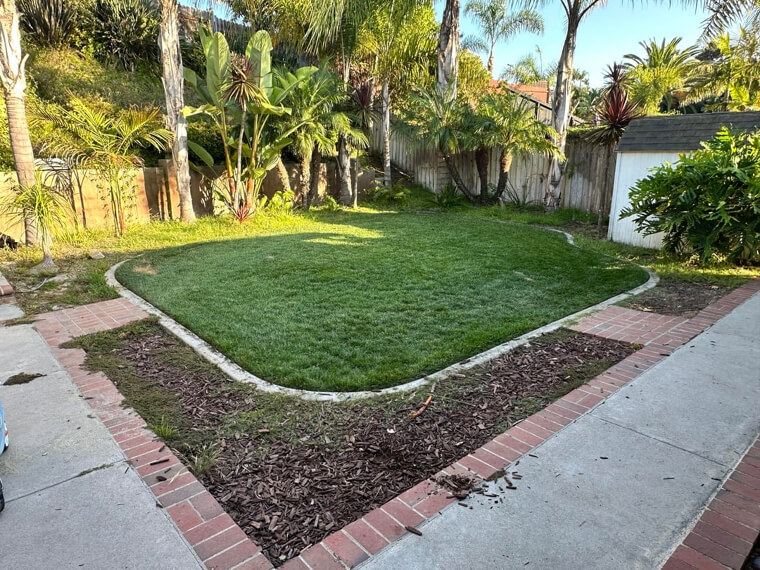
Over time, the material underneath the turf (called infill) starts to wear out. When that happens, it needs to be replaced to keep the grass looking good.
After about 10 to 15 years, the sun can damage the surface, and the whole turf may need to be replaced.
So while you might save money on water, those savings can be used up by cleaning, repairs, and eventual replacement costs.
Rock Gardens and Constant Weed Growth
Replacing grass with rocks or gravel may seem like an easy, low-effort option. But it can cause problems over time.
Dust, soil, and leaves slowly collect between the stones. This creates the perfect place for weeds to grow. Since the roots grow under the rocks, pulling them out by hand is not easy.
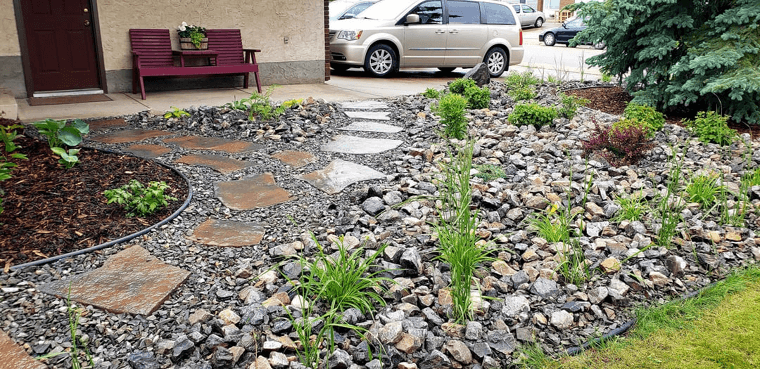
Because of this, many people end up using weed killers often or paying for professional help. These costs can add up quickly.
Rock areas can also get very hot, especially in summer. They hold heat and can make the space around your home warmer, which may increase cooling costs.
If you ever want to change your yard later, removing rocks or gravel can take a lot of time, effort, and money.
So while it may look like a simple, “set it and forget it” idea, it can turn into ongoing work and extra expenses over time.
The Problems With Weed Fabric
Landscape fabric is often sold as an easy way to stop weeds for a long time. But in reality, it usually doesn’t work that well.
Over time, dust, soil, and leaves collect on top of the fabric. This creates a new layer where weeds can grow again. The roots can grow through the fabric, which makes them very hard to remove.
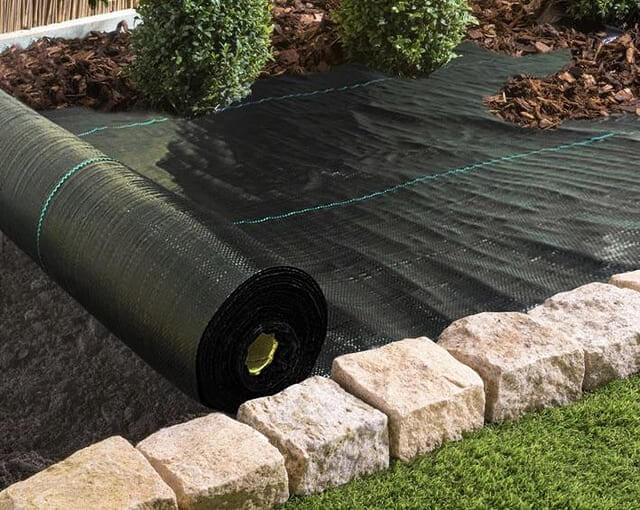
Fixing this can be difficult. You may need to remove all the mulch or rocks on top just to get to the fabric. This takes time and effort, or money if you hire someone.
Weed fabric can also stop water and air from reaching the soil. This can make plants, trees, and shrubs weaker because their roots are not getting enough moisture and oxygen.
Over time, you may need to replace damaged plants and fix the soil, which adds extra cost. What seems like a simple solution can end up needing more work and money later on.
Over-Planting for Instant Privacy
It can be tempting to plant trees and shrubs very close to each other for quick privacy. At first, it may look full and beautiful. But over time, this can cause problems.
When plants are too close, they start competing for water, sunlight, and nutrients. This puts stress on them and can make them weak. Weak plants are more likely to get pests or diseases, which can lead to extra care and cost.
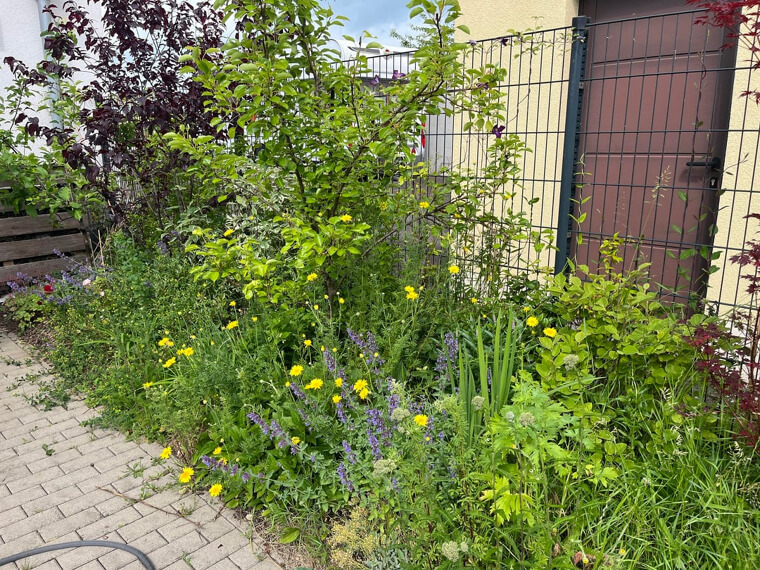
As the plants grow bigger, space becomes a bigger issue. Branches may start touching your house, which can damage walls, gutters, or the roof. To manage this, regular trimming may be needed, and that often means hiring professional help.
In some cases, you may need to remove some plants completely so others can grow properly. Removing large trees and their roots can be expensive and time-consuming.
What seems like a quick way to get privacy can turn into more work and higher costs later. It’s always better to plan for how plants will grow over time.
Expensive Irrigation System Repairs
Automatic sprinkler systems can save time and make watering easier. But they can also hide problems that become expensive later.
Leaks in underground pipes are hard to notice. They can waste a lot of water and increase your water bill without you realizing it.
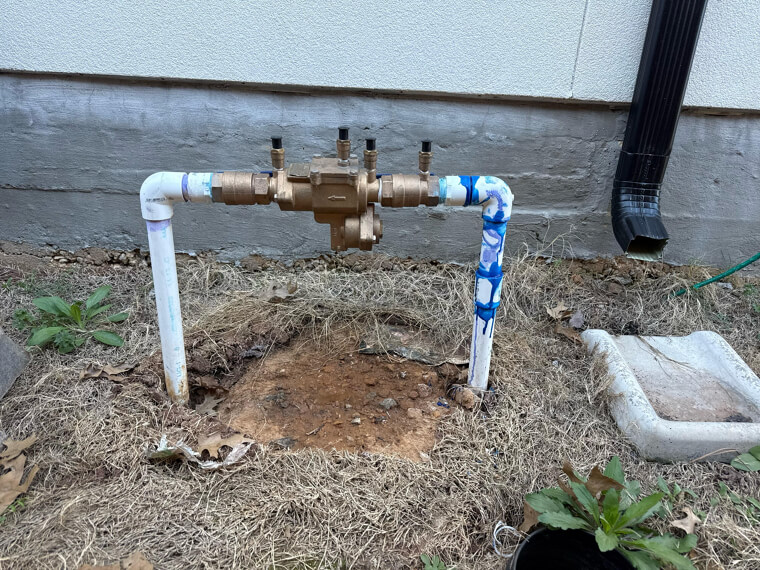
These systems also need regular maintenance. Parts can break, and seasonal check-ups are often needed to keep everything working properly. Over time, these small costs can add up.
A leak near your home’s foundation can be more serious. It may cause damage that is costly to repair.
While sprinkler systems are convenient, they can lead to hidden expenses if not checked and maintained regularly.
The Cost of Power Tools and Gear
A “low-maintenance” yard may seem like it needs less work, but it still requires the right tools. Equipment like trimmers, blowers, and edgers can be expensive to buy.
You also need to spend money on fuel, repairs, and upkeep. If tools are not used often, they can still wear out or stop working over time.
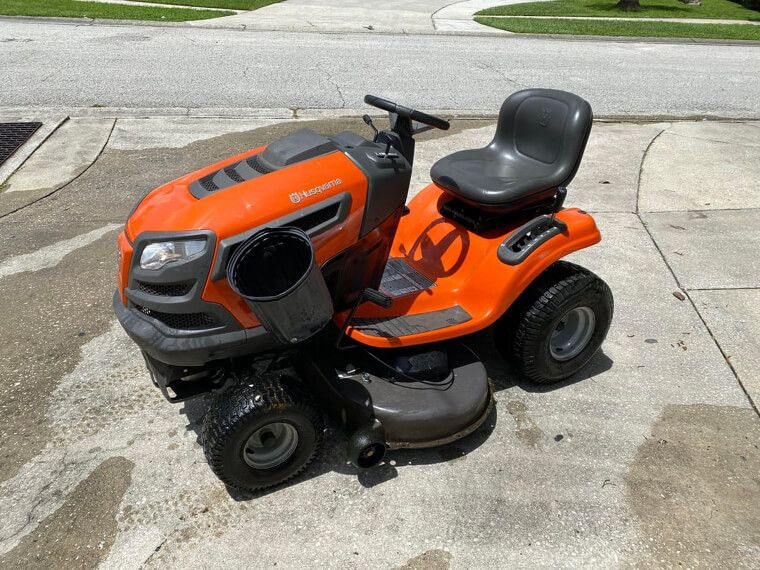
Some homeowners choose to hire a lawn care service instead. While this saves time and effort, it comes with regular weekly costs that can add up over time.
So even with a low-maintenance yard, you may still end up spending more than expected on tools or ongoing services.
Relying Too Much on Chemicals
Using chemical sprays can make yard work feel easier at first. But over time, they can harm your soil and reduce the number of helpful insects.
Healthy soil needs a natural balance to support strong plant growth. When this balance is disturbed, plants can become weak and may not grow well.
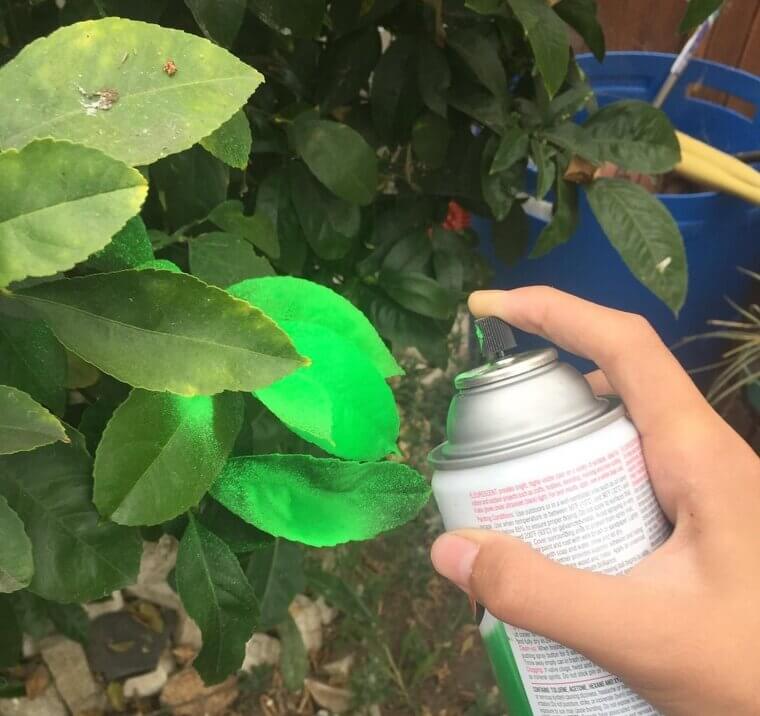
As a result, you may need to spend more on fertilizers and extra treatments to keep your yard looking healthy. This can slowly increase your overall costs.
In some cases, the soil may become so poor that it needs to be replaced or improved with organic compost. This takes time, effort, and money.
What seems like a quick and easy solution can turn into a repeating cycle of extra care and added expense.
“Hardy” Plants Can Become a Big Problem
Plants like English ivy or bamboo are often called “low-maintenance” because they grow easily. But they can quickly spread and take over your yard if not controlled.
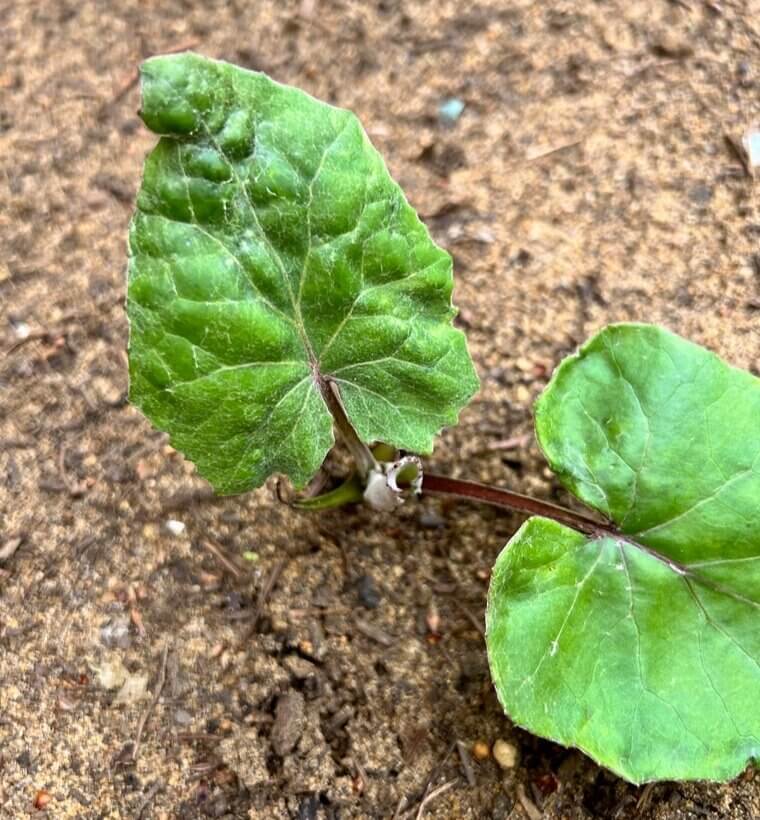
These plants grow fast and can be hard to manage. Once they spread, removing them is not simple. It may take a lot of time, strong treatments, or even professional help, which can be expensive.
They can also cause damage as they grow. Vines and roots may affect fences, walls, and even parts of your home over time.
What seems like an easy planting choice can turn into a long-term problem that costs both time and money to fix.
It Can Lower Your Home’s Value
A low-maintenance yard may not always appeal to buyers. Many people prefer homes with green lawns and well-kept gardens. Yards with gravel, artificial grass, or overgrown spaces can sometimes look less inviting.
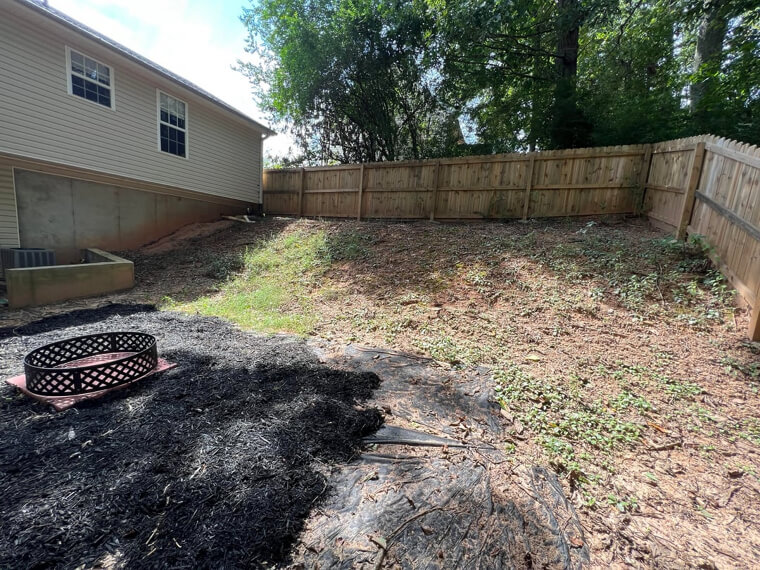
This can make it harder to sell your home. It may stay on the market longer, or buyers may expect a lower price.
In some cases, homeowners need to spend money on quick landscaping updates before selling. These last-minute changes can be costly.
What seems like a simple yard choice today can affect your home’s value in the future.
Final Thoughts
A “low-maintenance” yard may sound like a simple way to save time and effort. But in many cases, the hidden costs can add up faster than expected.
From replacing mulch and fixing sprinkler systems to dealing with fast-growing plants and ongoing treatments, the expenses can continue over time. Even the look of your yard can affect your home’s value if it feels neglected.
The key is to plan carefully from the start. Choosing the right plants and materials, and thinking long-term, can help you avoid extra costs later.
A truly low-maintenance yard isn’t just about doing less work—it’s about making smart choices that save both time and money in the long run.