
18 Simple Safety Hacks Every Solo Traveler Should Know

Solo travel is freeing, exciting, and deeply rewarding—but it also comes with responsibility. Interestingly, experienced (especially older) solo travelers rely on simple, practical habits rather than complicated strategies to stay safe.
These aren’t extreme precautions. They’re smart, everyday decisions that quietly make a big difference.
Here are the most effective safety habits worth adopting before your next trip.
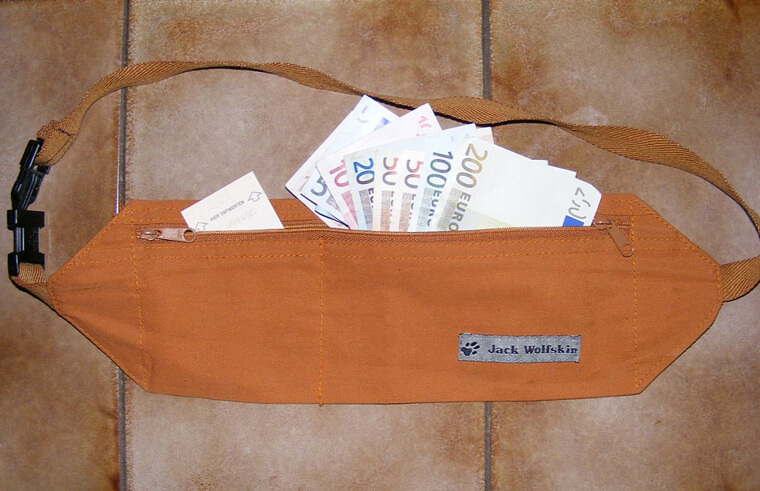
1) Keep Your Valuables Hidden (Not Just Secure)
Visible wallets and bulging pockets can attract the wrong kind of attention.
That’s why seasoned travelers prefer money belts, hidden pouches, or under-clothing wallets. These aren’t meant for everyday spending—they’re your backup system.
Store spare cash, cards, and important documents here so if anything goes missing, your entire trip doesn’t fall apart.
2) Always Carry Printed Copies of Important Documents
Technology is great—until it fails.
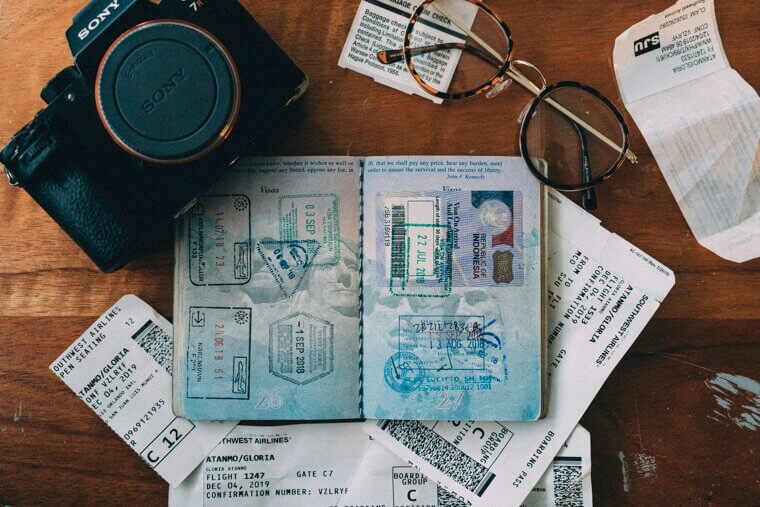
Phones die, internet connections disappear, and devices get lost. Having printed copies of your passport, visa, travel insurance, and emergency contacts can save you from serious stress.
Keep these copies separate from your originals. It’s a small step that can make a huge difference in emergencies.
3) Add Extra Security to Your Room
Hotel locks aren’t always as reliable as they look.
Many solo travelers carry a small rubber doorstop or a portable door lock. It’s lightweight, inexpensive, and adds an extra layer of protection—especially in unfamiliar accommodations.
It’s not about fear—it’s about peace of mind.

4) Share Your Plans (Without Oversharing)
You don’t need to broadcast your itinerary—but someone you trust should know your general plans.
A quick message about where you’re staying and your daily movements can be incredibly helpful if something goes wrong.
It doesn’t limit your freedom—it simply adds a quiet safety net.
5) Never Keep All Your Money in One Place
This is one of the golden rules of solo travel.
Split your cash and cards across different locations—your bag, wallet, luggage, and hidden pouch. That way, losing one stash won’t leave you stranded.
Think of it as creating backup layers for your finances.

6) Choose Your Hotel Room Wisely
Room location matters more than most people realize.
Staying above ground level reduces easy access from outside, while staying below the 7th floor ensures emergency services can still reach you if needed.
It’s a small booking detail that can significantly improve your safety.

7) Carry a Small Flashlight (Yes, Really)
Power outages, dark streets, or poorly lit stairwells can happen anywhere.
A compact flashlight—or even a rechargeable keychain version—can instantly solve these problems.
More than that, it gives you confidence when navigating unfamiliar places.

8) Learn Just a Few Local Emergency Phrases
You don’t need to master the language.
Just knowing how to say “help,” “doctor,” “police,” or “ambulance” can be incredibly useful in urgent situations.
Even basic attempts are usually appreciated and understood.

9) Be Friendly, But Stay Private
Meeting new people is part of the joy of travel—but sharing too much can be risky.
Avoid revealing details like:
- Your hotel location
- Your travel schedule
- That you’re traveling alone
You can still be warm and social—just keep certain details vague.

10) Use Hotel Safes Smartly
Hotel safes are helpful—but don’t rely on them blindly.
Instead of storing everything, use them for backup items like extra cash, spare cards, or copies of documents.
Keep essentials accessible while protecting your backups.
11) Plan to Arrive During the Day
Arriving in a new city at night can feel overwhelming.
Daylight makes everything easier—navigation, safety, and getting your bearings. You’ll feel more confident walking to your hotel and understanding your surroundings.
It’s a simple planning trick that reduces stress instantly.

12) Stay in Regular Contact With Someone
A quick daily or occasional check-in message goes a long way.
It reassures your loved ones and creates a timeline in case of emergencies.
You stay independent—but never completely disconnected.

13) Trust Your Instincts Every Time
If something feels off, it probably is.
Experienced travelers don’t ignore that inner voice. They change routes, leave situations early, or adjust plans without hesitation.
Convenience can be replaced. Safety cannot.

14) Protect Your Phone Like It’s Essential (Because It Is)
Your phone is your map, wallet, communication tool, and backup storage.
Use strong passwords, biometric locks, and cloud backups. That way, even if your phone is lost, your information isn’t.
Think of it as your digital safety net.
15) Use Trusted Transportation Options
Instead of random taxis, go for services recommended by your hotel or host.
These are usually safer, traceable, and more reliable. It may cost a bit more—but the peace of mind is worth it.

16) Dress to Blend In
Standing out can sometimes make you a target.
Neutral clothing, minimal jewelry, and respecting local dress norms help you move through places unnoticed.
It’s not about losing your style—it’s about staying low-key and safe.

17) Keep Medications Properly Stored
Always carry medications in their original labeled packaging.
This helps with:
- Correct usage
- Airport and customs checks
- Emergency medical situations
It’s a simple habit that avoids unnecessary complications.

18) Know Where Help Is Before You Need It
Before arriving somewhere new, take a few minutes to locate:
- Nearby hospitals
- Clinics
- Your country’s embassy
Having this information ready can save valuable time in an emergency.

Final Thoughts
Solo travel doesn’t have to feel risky—it just needs to be intentional.
These habits aren’t about being overly cautious. They’re about being prepared, aware, and confident. From hiding valuables to trusting your instincts, these small decisions create a much safer and smoother travel experience.
In the end, it’s not about limiting your adventure—it’s about protecting it so you can enjoy every moment fully.