
5 Viral Decor Trends Everyone Tried — and Designers Secretly Hated
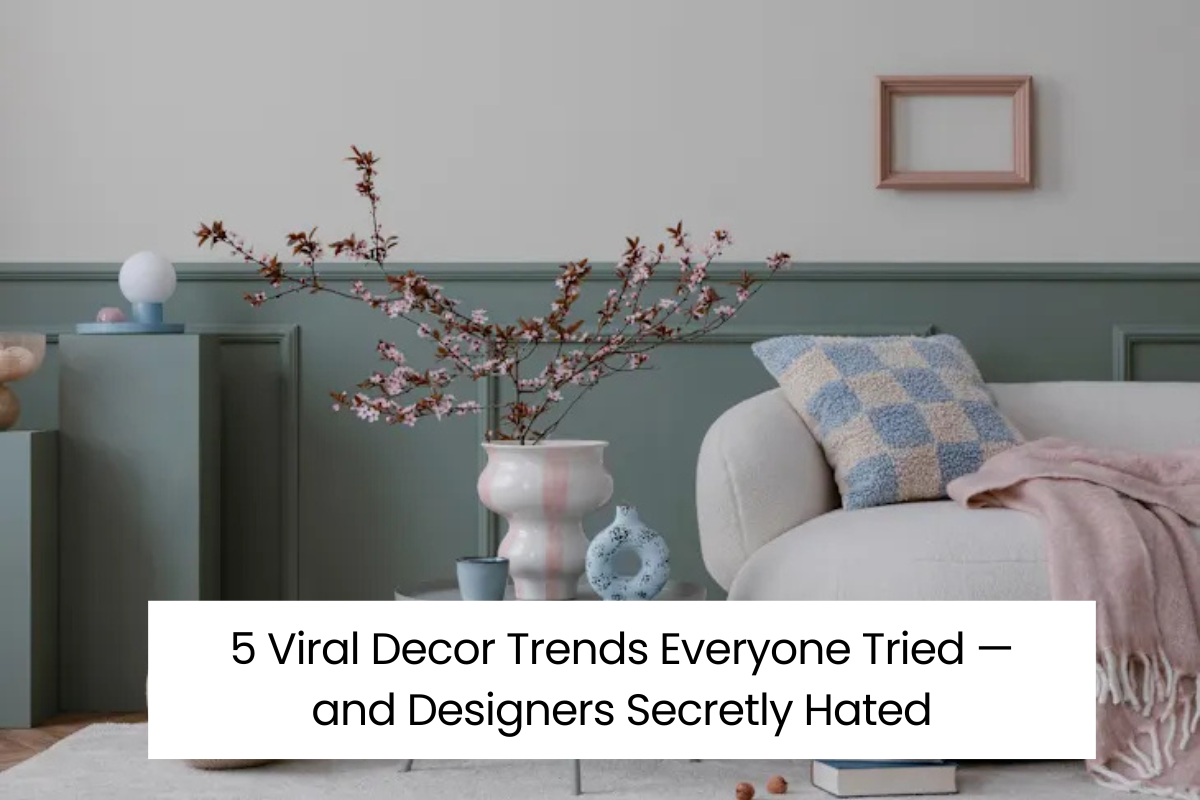
If you spend even a little time scrolling through home decor content, you’ve probably noticed something—many homes are starting to look the same.
Certain styles go viral so quickly that everyone tries them. At first, they feel fresh and excited. But over time, they can become overused and lose their charm.
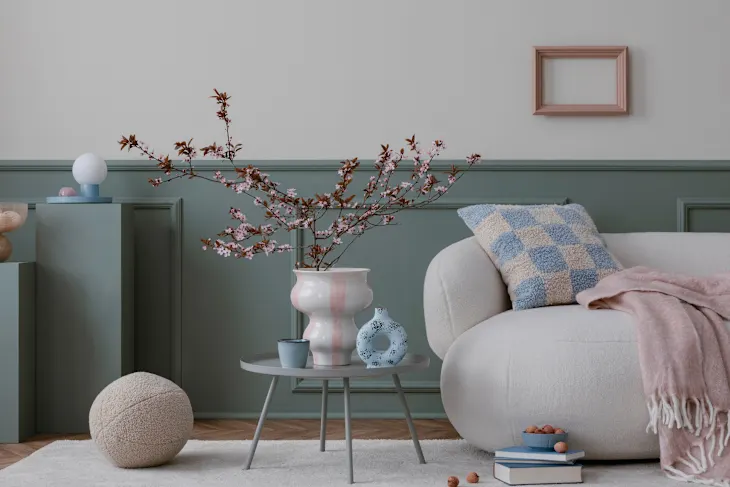
As we move into a new year, designers are starting to shift away from some of these popular trends. That doesn’t mean they’re bad—it just means people are ready for something new.
Let’s take a closer look at a few decor trends that had their moment and what designers are thinking now.
1. Open Floor Plans Are Losing Their Appeal
For many years, open floor plans were seen as the perfect modern layout. Removing walls made spaces feel bigger, brighter, and more connected.
But now, many homeowners are starting to see the downsides.
Open spaces can feel noisy and busy, especially when multiple activities are happening at once. Cooking, watching TV, and working all in one area can become overwhelming.
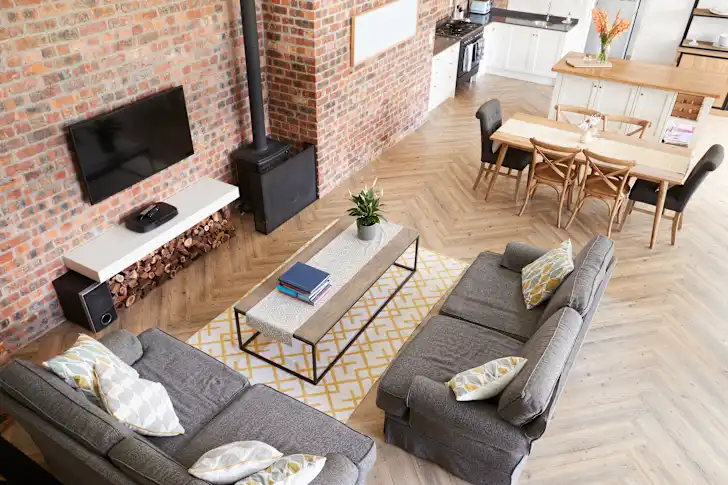
Another issue is decorating. Without walls, it becomes harder to define each space. Rooms can start to feel unfinished or confusing.
Designers are now moving back toward more defined areas. Separate spaces allow for better focus, more privacy, and easier styling.
Even small changes—like adding a divider, shelving, or rugs—can help create structure without fully closing off the space.
2. All-Beige Interiors Feel Too Flat
Neutral colors will always have a place in home design. But the all-beige trend has started to feel a bit repetitive.
While beige can be calming, using it everywhere can make a space feel flat and lifeless. When everything is the same color, there’s no contrast or interest.
Homes should feel warm and personal—not like a showroom.
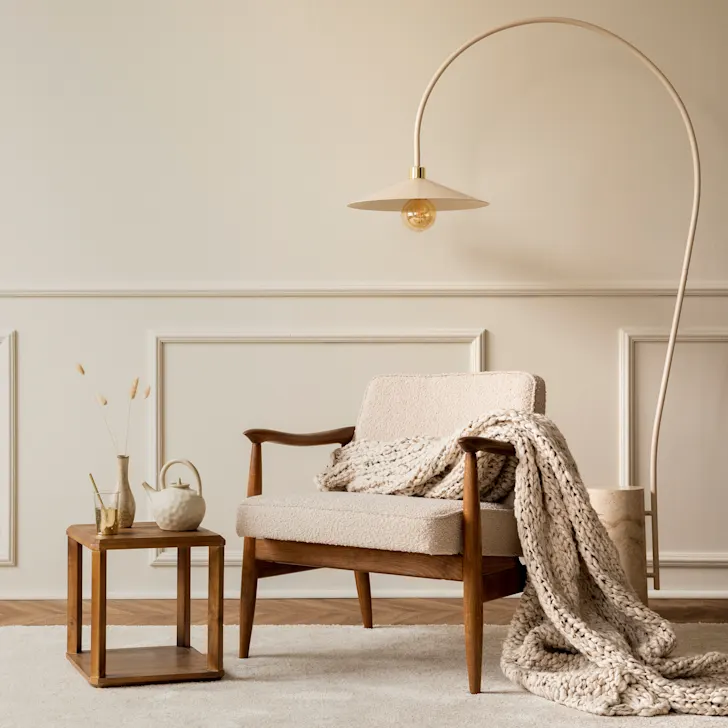
Designers are now encouraging people to add more variety. This doesn’t mean using bright or bold colors everywhere. Even small touches—like soft pastels, warm wood tones, or textured fabrics—can make a big difference.
Adding personal items like artwork, books, or meaningful decor also helps bring life into the space.
The goal is balance. Keep the calm feeling of neutrals, but add enough detail to make your home feel alive.
3. Bouclé Furniture Is Becoming Less Practical
Bouclé fabric became very popular for its soft, textured look. It showed up in sofas, chairs, and even beds.
At first, it felt cozy and stylish. But over time, people started noticing some problems.
Bouclé doesn’t always hold up well in everyday use. It can wear out quickly, collect dust, and be difficult to clean—especially in busy homes.
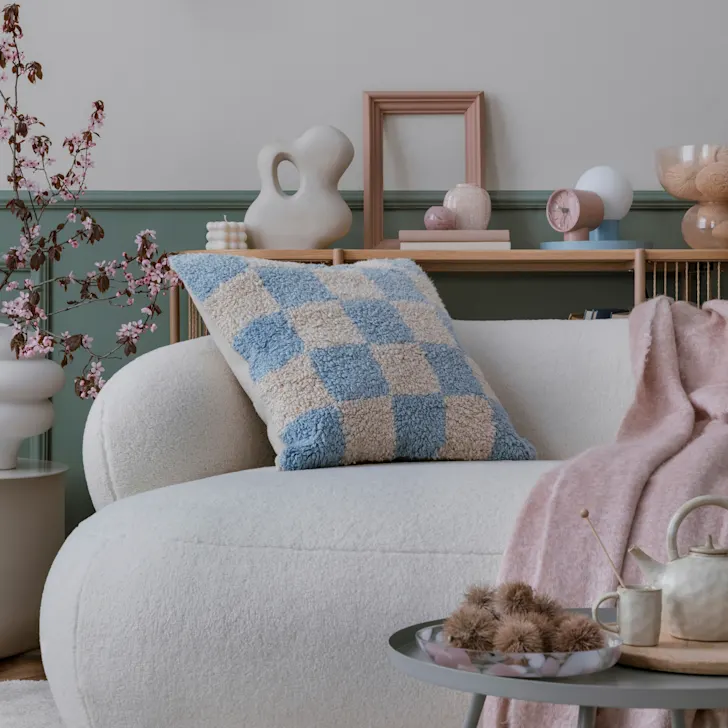
Because of this, many designers are moving toward more practical materials.
Fabrics like linen, cotton blends, and leather are becoming more popular again. They are easier to maintain and often last longer.
This shift shows an important change in design thinking—people now want homes that are not just beautiful, but also easy to live in.
4. Ultra-Minimal Kitchens Aren’t Always Functional
Minimalist kitchens have been everywhere. Clean counters, open shelves, and very few cabinets create a sleek and modern look.
But in real life, this style can be hard to maintain.
Without enough storage, everyday items end up on display. This can quickly turn a clean kitchen into a cluttered one.
Open shelving also requires constant organization. If things are not arranged perfectly, the space can feel messy.
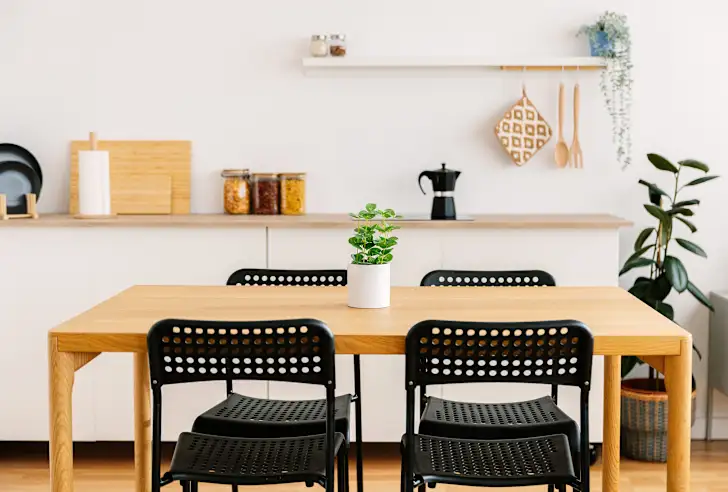
Designers are now focusing more on function.
Kitchens are being designed to look good but also work well for daily use. This means more storage, smarter layouts, and a mix of open and closed spaces.
A kitchen should feel easy to use—not stressful to maintain.
5. Matte Black Finishes Feel Overused
Matte black hardware became very popular in recent years. It was used in kitchens, bathrooms, lighting, and even furniture.
At first, it felt bold and modern. But now, it’s everywhere—and that’s the problem.
When a trend becomes too common, it starts to lose its impact.
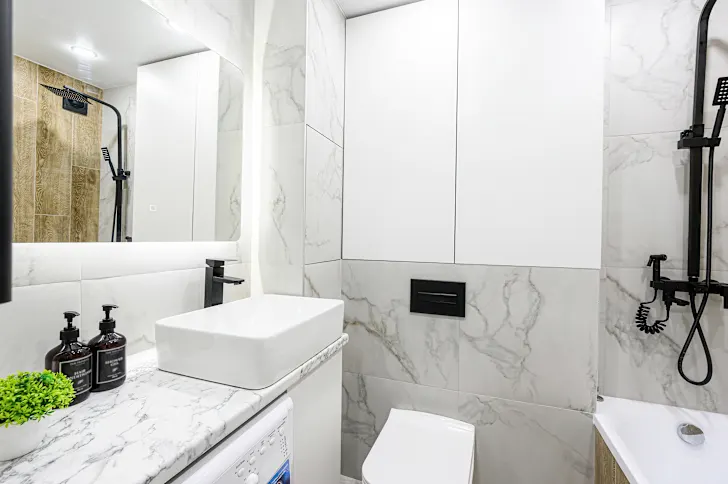
Designers are now exploring warmer finishes like brushed brass, bronze, and softer metallic tones. These add more depth and feel less harsh.
That doesn’t mean matte black is completely gone. It can still work well in certain styles, especially darker or more modern spaces.
But instead of using it everywhere, people are starting to mix finishes for a more balanced look.
Why These Changes Matter
Design trends will always change. What feels new today may feel outdated in a few years.
But this shift is about more than just trends.
People are starting to focus more on how their homes feel—not just how they look. Comfort, function, and personality are becoming more important than following what’s popular.
This is a good thing.
It means you don’t have to keep changing your home to match trends. Instead, you can focus on what works best for you.
Final Thoughts
Just because a trend is fading doesn’t mean you need to remove it from your home.
If you still love open spaces, neutral colors, or minimalist design, that’s completely fine. Your home should reflect your taste and your lifestyle.
The key is to be thoughtful. Choose styles that feel comfortable, practical, and personal.
At the end of the day, a well-designed home isn’t about following trends—it’s about creating a space where you feel happy and at ease.